
Can an Algorithm Remember You Better Than Your Family?
We live in an age where memory itself is being reshaped by technology, raising a profound question: can an algorithm preserve a person’s life more faithfully than their own family?
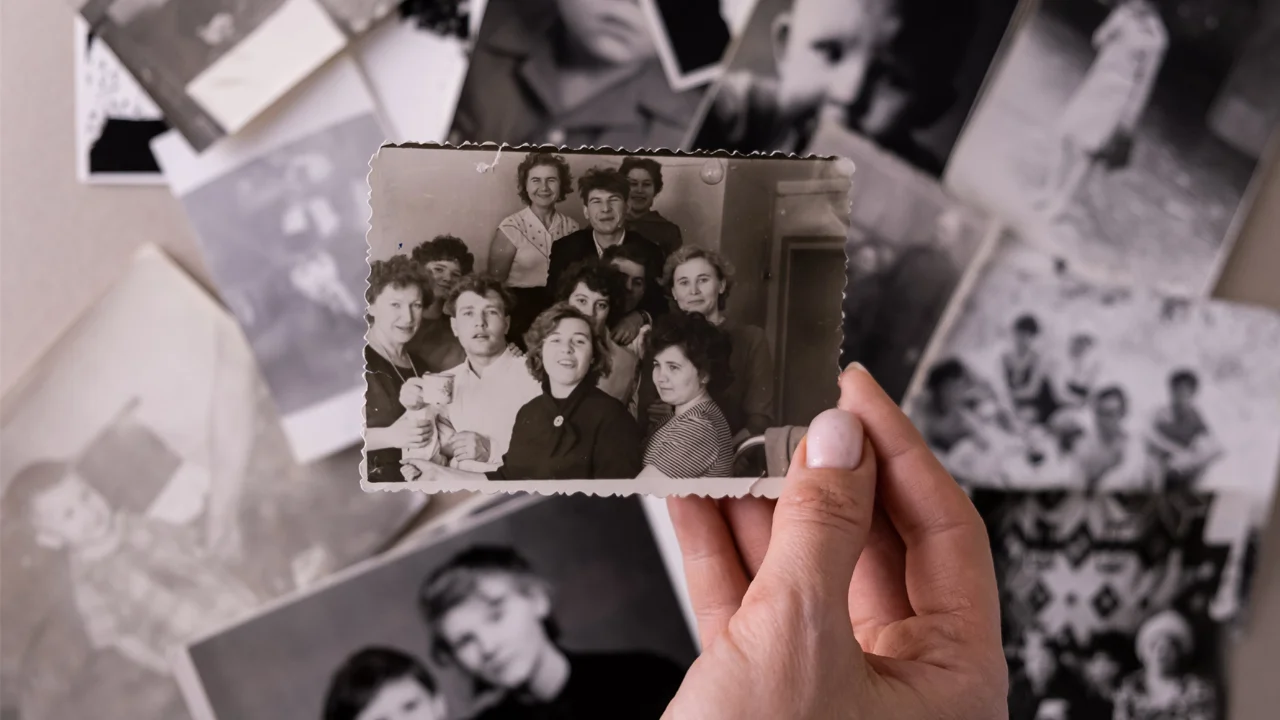
For centuries, family histories were built from fragile fragments: a handful of photographs, handwritten letters, or stories passed down at the dinner table. These traces often faded with time, leaving descendants with names and dates but little sense of personality.
From Fragile Traces to Digital Portraits
Today, however, our lives are recorded in ways earlier generations could never have imagined. Every click, message, search, and post contributes to a vast digital portrait. Social media platforms know what we liked, where we traveled, and even when we were online. Artificial intelligence can now analyze these patterns with astonishing precision.
Information Versus Memory
At first glance, it seems algorithms might remember us better than relatives. They can store thousands of photographs without forgetting a face, recall years of posts and comments, and identify habits invisible to human memory. Yet information is not the same as memory. A program may know which songs someone played most often, but it cannot explain why those songs mattered. It may preserve a photograph of a family gathering, but not the laughter behind the smiles. True memory is shaped by context, emotion, and relationships - elements no dataset can fully capture.
Why Ordinary Lives Matter
When future generations search their roots, they rarely look for celebrities. They want to understand the ordinary people whose choices shaped their family’s path: a great-grandfather who immigrated alone, a grandmother who raised children during hardship, an uncle remembered for kindness, a parent whose sacrifices changed the future. These stories, once considered everyday, often become priceless with time. Yet history shows how quickly they vanish. Names remain, but personalities fade; photographs survive, but experiences are lost. Most lives disappear not because they lacked meaning, but because no one preserved their stories.
The Paradox of the Digital Age
Ironically, despite living in the most documented era in history, we face the same challenge. Our digital traces are scattered across platforms never designed to tell a complete life story. Algorithms collect activity but miss meaning. Social media captures moments but not context. Without deliberate preservation, even this ocean of data risks becoming fragmented and impersonal. What future descendants will value most is not what someone clicked or purchased, but the stories that reveal who they truly were.
Building Spaces for Memory
This is why dedicated memorial spaces are becoming essential. A memorial page can gather photographs, biographies, milestones, and stories shared by loved ones into one coherent narrative. It transforms scattered fragments into a legacy that future generations can actually connect with. Long after platforms evolve and algorithms move on, these human details will remain - not because they describe habits, but because they reveal lives. In the end, memory is not about data points. It is about the stories that make us part of one another’s history.