
Ruth Van Kooy Pakaluk
She was 41 years old
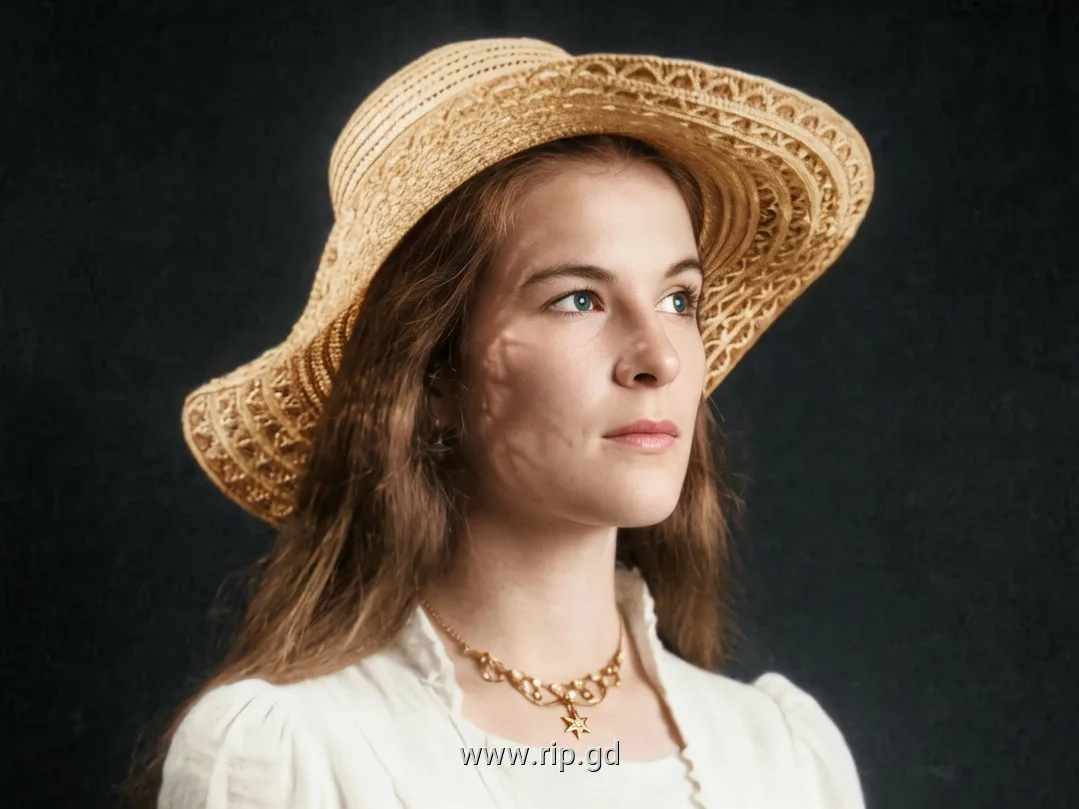
Photos
Birth Date
Death Date
Details
Biography
Ruth Van Kooy Pakaluk was an American wife, mother of seven, Catholic convert, and pro-life advocate whose life combined intellectual curiosity, deep religious conviction, and an enduring commitment to serving others. A Harvard graduate, she became a prominent voice in Massachusetts’ pro-life movement while raising her family and facing a prolonged battle with cancer. Her story continues to be shared through her writings, the memories of those who knew her, and the ongoing interest in her spiritual legacy.
Early Life and the Search for Truth
Ruth was born on March 19, 1957, in East Orange, New Jersey, into a Presbyterian family. She grew up in Norwood, where she distinguished herself academically and developed a wide range of interests, including music, theater, and field hockey.
While studying at Harvard College, Ruth met Michael Pakaluk. Both initially considered themselves atheists, but their relationship became closely connected with a shared search for answers to fundamental questions about truth, faith, and the meaning of life. Their discussions and exploration of Christianity eventually led them toward the Catholic Church.
Ruth and Michael married in 1978. On Christmas Eve in 1980, Ruth was received into the Catholic Church. The couple later became members of Opus Dei, a Catholic institution that emphasizes seeking holiness through ordinary work, family responsibilities, prayer, and service.
A Voice for the Unborn
Ruth’s growing Catholic faith profoundly influenced her understanding of human life and her involvement in public affairs. In 1982, she founded a pro-life student group at Harvard, beginning a period of sustained engagement in the movement.
She became increasingly involved with Massachusetts Citizens for Life, an organization dedicated to protecting unborn human life. In 1987, she became its president, a position she held until 1991. She subsequently continued her work in pro-life education, helping develop educational programs and encouraging others to engage thoughtfully with difficult questions surrounding abortion.
Ruth was known for her ability to present complex arguments clearly and to engage people through reasoned discussion. Her work extended beyond public advocacy: she gave talks at colleges, organized local initiatives, and helped others develop the knowledge and confidence to explain their convictions.
For Ruth, this work was not separate from her personal life. She understood the defense of human dignity as an expression of her faith and a responsibility that extended into her family, neighborhood, and wider community.
Family Life and the Test of Suffering
Ruth and Michael raised seven children. Family life was central to her identity, and those who remembered her often described a home that welcomed not only relatives but also neighborhood children and friends.
In November 1989, the family experienced the devastating loss of their infant son, Thomas Matthew, who died from sudden infant death syndrome. The tragedy brought profound grief, but Ruth continued to draw strength from her faith and her hope in eternal life.
In 1991, after the birth of her daughter Sarah, Ruth was diagnosed with breast cancer. She underwent a mastectomy and chemotherapy, beginning a long and difficult period of treatment. The disease later spread to her bones and other organs.
Despite her declining health, Ruth continued to participate in public life and serve her community. She organized parish activities, helped with religious education, supported local initiatives, and remained involved in pro-life advocacy. She also made time for the ordinary responsibilities of motherhood, from managing the household to attending her children's activities.
In 1993, Ruth gave birth to her youngest daughter, Anna Sophia, known as Sophie. She had understood the risks associated with another pregnancy following cancer treatment, yet she and Michael welcomed their daughter into the family.
Her perseverance did not mean that suffering was easy or that she was untouched by grief. Rather, her life reflected an effort to meet uncertainty and hardship with faith, practical action, and continued care for the people around her.
Her Final Years
As her cancer progressed, Ruth's medical condition became increasingly serious. Even so, she continued to pursue the activities that gave meaning to her life for as long as her health allowed.
Her commitment to her family remained particularly evident during this period. In the final months of her life, she spoke with Michael about the possibility of his remarrying after her death, reflecting her concern for the future well-being of her husband and children.
Ruth died on September 23, 1998, at the age of 41, surrounded by family and friends. Her funeral at St. Paul Cathedral in Worcester, Massachusetts, drew a large gathering of people whose lives she had touched. She was buried at Notre Dame Cemetery in Worcester.
Her influence also continued through the efforts of friends who sought to carry forward one of her aspirations: establishing a home for pregnant women in need. Visitation House opened in Worcester in 2005, several years after her death, turning that vision into a lasting work of service.
Spiritual Legacy and Cause for Canonization
Ruth's life has been remembered by family members, friends, and Catholic writers as an example of faith lived through the ordinary demands of marriage, motherhood, professional and civic engagement, and illness. Her letters and talks provide a more personal account of her character, including her humor, intellectual honesty, and determination to find meaning in everyday experiences.
Her story has been preserved in The Appalling Strangeness of the Mercy of God, a book that brings together her writings, talks, and biographical reflections.
On September 29, 2025, the Vatican's Dicastery for the Causes of Saints granted a nihil obstat concerning the proposed cause for Ruth's beatification and canonization. This determination meant that there was no objection from the Holy See to proceeding with consideration of the cause; it did not declare her a saint.
Ruth was consequently recognized as a Servant of God, an early designation in the Catholic Church's process of investigating a person's life and reputation for holiness. The Ruth V. K. Pakaluk Foundation later announced that it had suspended its petition to the Bishop of Worcester to formally open the cause.
Her canonization has therefore not been completed, and her story should be understood in that context.
Ruth Pakaluk's legacy rests not only on her public advocacy or the attention given to her possible canonization, but also on the relationships she built, the family she raised, the people she served, and the example of a life shaped by an earnest search for truth and a sustained commitment to faith.
Memory Messages
Login to leave a message