
The Cenotaph at the Edge of the World
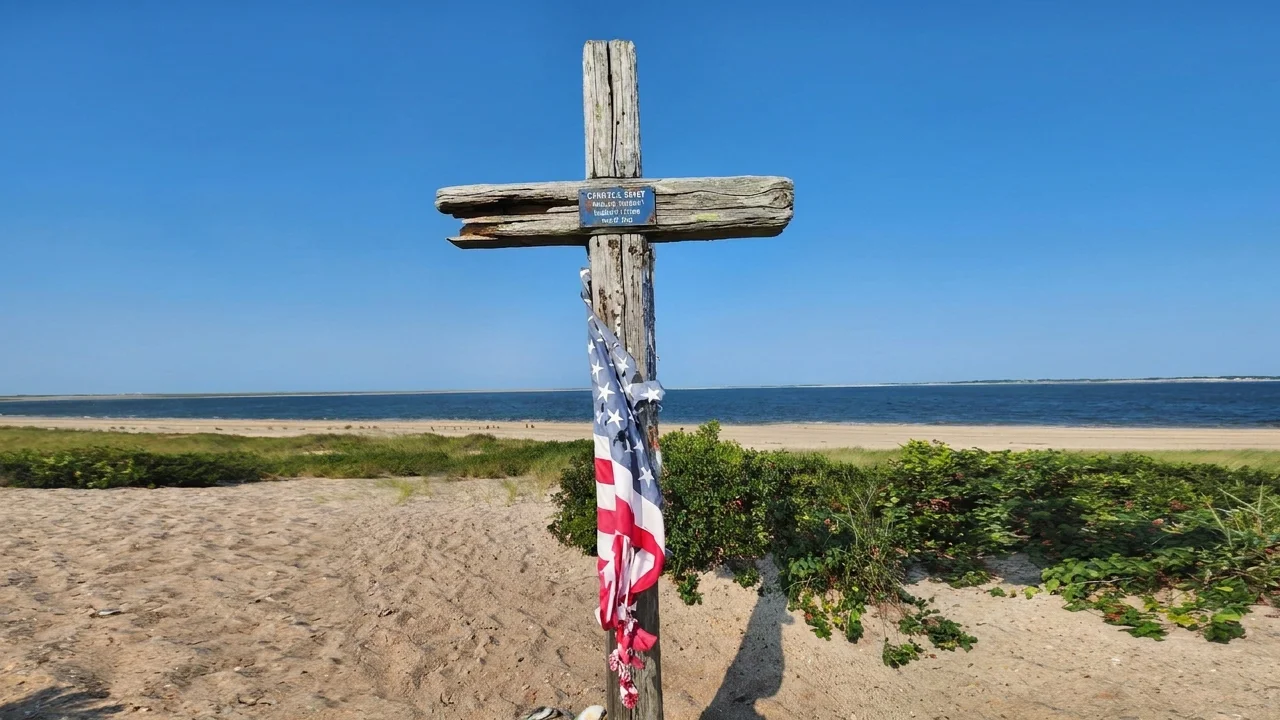
At the edge of Cape Cod, a lonely cross stands among the dunes and ocean wind. It is a cenotaph - a memorial to a soldier who died thousands of miles from the place he called home.
At the very tip of Cape Cod, there is a place where the land seems to disappear into the ocean.
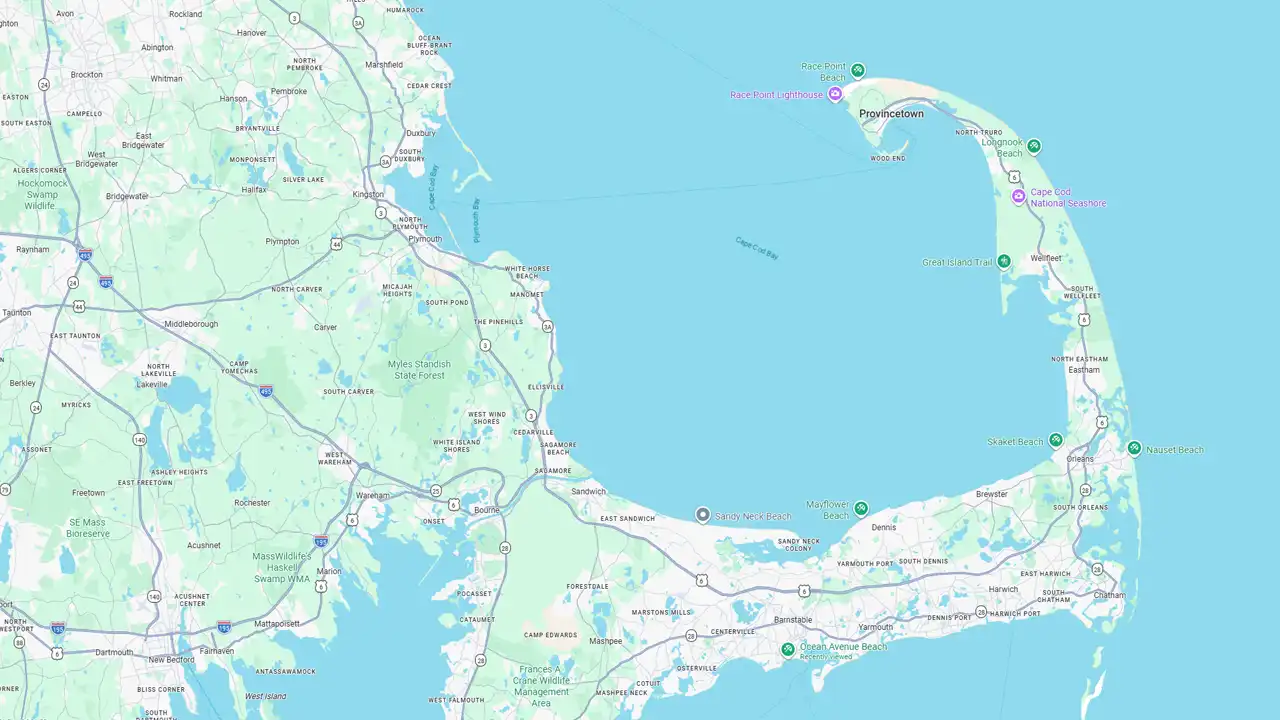
You can reach it by boat, by helicopter, or, if the tide allows, on foot - crossing a breakwater made of enormous rocks and boulders. But there is a catch: when the tide rises, the ocean covers the path, cutting the peninsula off from the mainland. That was how I found myself walking toward the very edge of the world.
There was almost nothing there. Sand dunes. Wind. The endless Atlantic. A lighthouse and an old lifesaving station stood nearby.
And then I saw a cross.
It stood alone among the dunes, surrounded by nothing but sand, grass, and ocean.
At first, I thought it might be the grave of a lighthouse keeper or a sailor who had died here. But when I came closer, I saw a metal plaque:
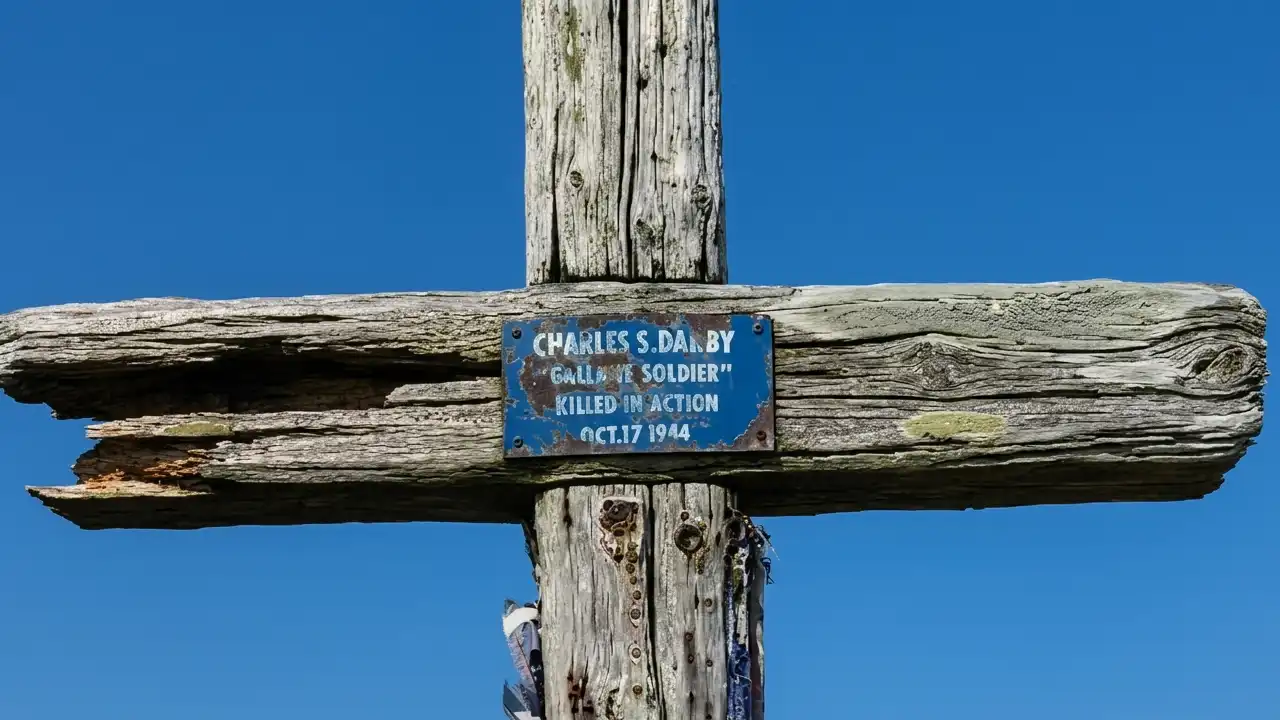
Charles S. Darby
Killed in Action
October 17, 1944
Who was Charles Darby?
Why was a soldier remembered here, at the very end of this remote peninsula? There had never been a battle on these shores. So why was his cross here?
The answer is a story about home, memory, and a place that meant more to one man than almost anywhere else in the world.
Charles S. Darby was a local artist and a member of the Beachcombers, an artists' group in Provincetown. He loved the dunes and the wild landscape around the town. It was a place he returned to whenever he could - a place where he felt at home.
Then Came World War II...
Darby served as a radio operator with the 77th Troop Carrier Squadron. He took part in the war in Europe, including the Normandy campaign.
On October 17, 1944, he was killed when his aircraft crashed in southern England while returning from a mission. He was only 36 years old. His body was eventually laid to rest thousands of miles from Cape Cod, at Cambridge American Cemetery in England. But his story did not end there.
After his death, Darby's father contacted his son's friends among the Beachcombers. He wanted Charles to have a memorial in Provincetown - not simply somewhere in town, but among the dunes and ocean he had loved so much.
In November 1944, the Beachcombers discussed creating a memorial for what they described as an "unsung soldier who loved the dunes."
They decided on a simple cross.
Artists Phil Malicoat, Roger Rilleau, and John Whorf made the cross from old railroad ties. Sculptor William "Bill" Boogar created the bronze plaque. The memorial was installed in 1946. Years later, after the original plaque was stolen, the cross was moved to Long Point, near the lighthouse. And there it remains today. But there is something important to understand about this cross: Charles Darby is not buried here.
This is a cenotaph - a memorial honoring someone whose remains are buried somewhere else. The word comes from the ancient Greek kenos, meaning "empty," and taphos, meaning "tomb." An empty tomb.
And perhaps that is exactly what makes this place so powerful. Charles Darby's body lies thousands of miles away, in England. But his memory is here.
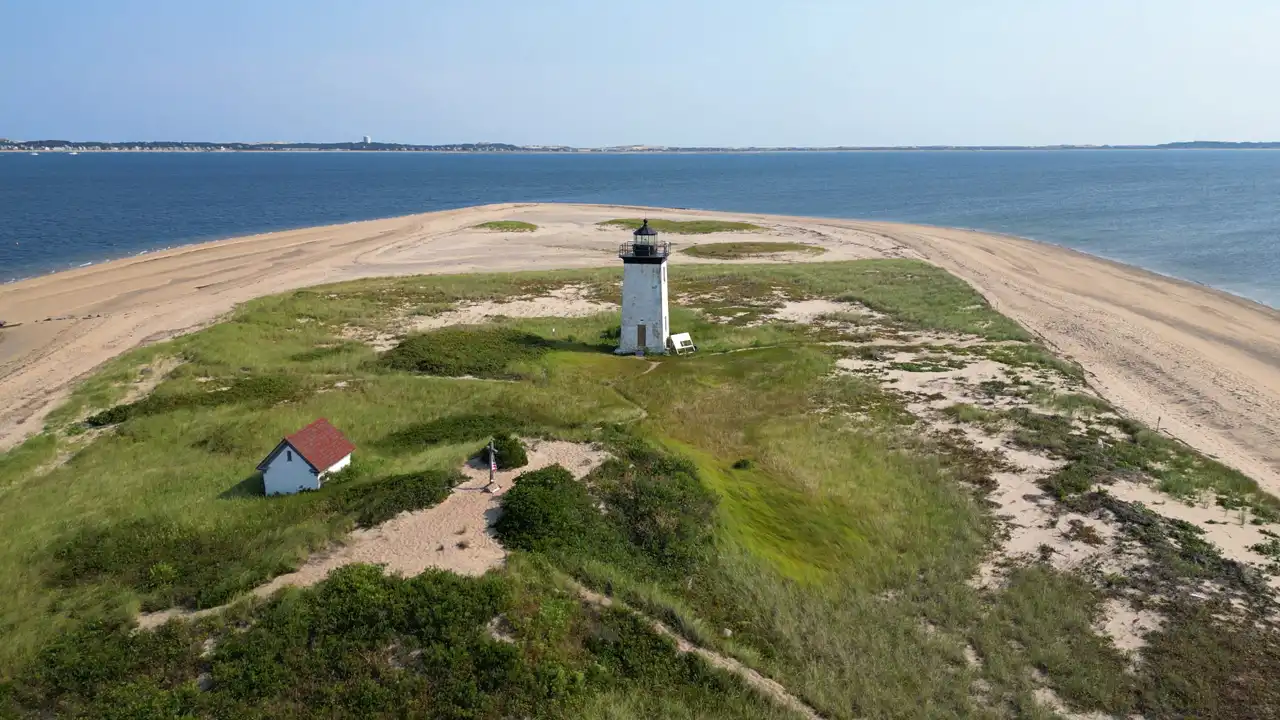
It is here in the dunes he loved. In the wind coming off the Atlantic. In the lighthouse standing nearby. And in the simple cross that has watched over this lonely stretch of Cape Cod for decades.
A memorial does not have to contain someone's remains.
It only needs to preserve the connection between a person and the people who remember them.
Distance cannot erase that connection. Time cannot erase it either. And perhaps that is what every memorial is really meant to do - create a place where someone who is gone can still be found.
Today, that place does not always have to be made of wood or stone. It can also exist digitally.
That is the idea behind RIP.GD: creating a lasting place for memories, where a person's story, photographs, and legacy can remain accessible across distance and generations.
Charles Darby's grave is thousands of miles away. But his memory came home. And sometimes, that is what a memorial is for.